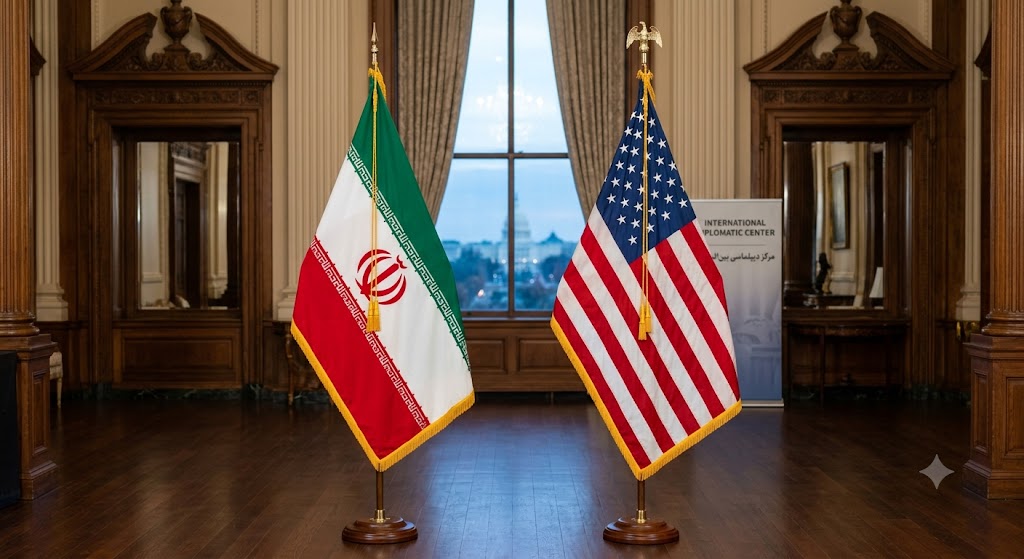
As discussions progress regarding a potential deal between Iran and the United States, a prominent Iranian figure has voiced strong criticism of Western nations while cautioning neighboring countries against depending on U.S. support. Ali Akbar Velayati, an advisor to Iran’s Supreme Leader, emphasized that Gulf nations’ stability hinges on Iran’s influence over the Strait of Hormuz, accusing Western powers of fostering instability in the region.
The remarks from Iran came in response to recent dialogues between U.S. officials and Gulf allies, which underscored the necessity of maintaining open maritime access through the Strait of Hormuz. The United States has issued warnings that any efforts to obstruct or limit maritime traffic could lead to significant confrontations. Iran, on its part, has stressed its crucial role in overseeing shipping through this pivotal waterway and has pushed back against demands for unhindered passage without acknowledging its status as a coastal nation.
Tensions have escalated due to recent incidents involving foreign vessels near the strait, which remains a vital corridor for global energy supplies. A substantial amount of the world’s oil and gas shipments transit through the Strait of Hormuz, making its security critical to international markets. Despite the political frictions and potential threats to shipping routes, oil prices have seen a decline, with markets anticipating that any supply disruptions might be contained.
Velayati’s comments reflect Iran’s strategic stance in the region, emphasizing its intent to play a pivotal role in the management of the Strait of Hormuz. The ongoing geopolitical dynamics underscore the complex interplay between regional power aspirations and global economic interests.