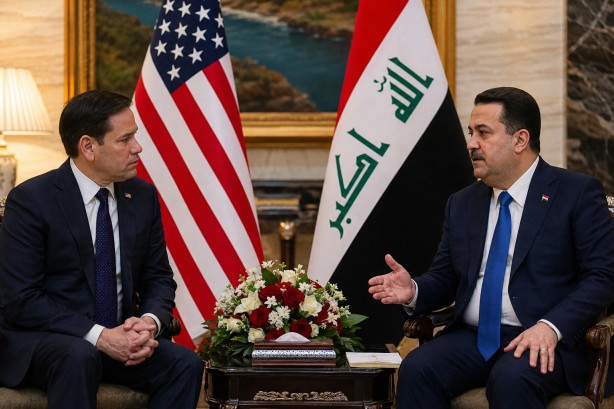
Iraqi Prime Minister Ali Al Zaidi recently wrapped up a significant visit to Washington, where he successfully negotiated economic agreements and reinforced Iraq’s diplomatic and economic ties with the United States. This visit underscored Iraq’s intent to stimulate investment and enhance security collaboration, while also casting Al Zaidi in the light of a leader intent on reform.
During the discussions, U.S. officials warmly received Al Zaidi, reflecting optimism about the potential for strengthened bilateral relations. However, analysts remain cautious, highlighting the complexities involved in realizing the commitments made, especially those concerning security reforms and economic updates. Iraq’s political landscape, characterized by intricate internal dynamics and the pervasive influence of Iran-backed groups, presents formidable challenges to the implementation of these initiatives.
Furthermore, experts emphasize the delicate balancing act Baghdad must perform in maintaining its relationships with both Washington and Tehran amidst ongoing regional tensions. This geopolitical balancing is crucial as Iraq attempts to navigate its role in a region fraught with competing interests and alignments.
The visit has indeed opened doors for future cooperation between Iraq and the United States, but the ultimate measure of its success will hinge on Iraq’s ability to follow through on promised reforms. Maintaining stable and productive relations with both its major partners, the U.S. and Iran, will be vital to Iraq’s pursuit of these goals.