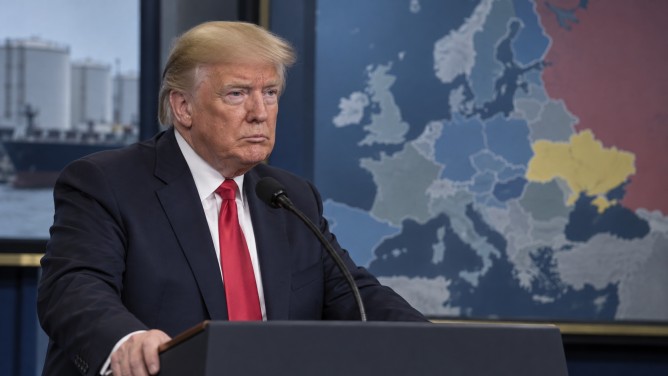
US President Donald Trump has announced a deal with Russian President Vladimir Putin to supply large quantities of Russian diesel to international markets, a move that has sparked criticism from Ukrainian President Volodymyr Zelenskyy, US lawmakers, and European allies. The agreement involves Russia initially providing more than 300,000 tonnes of diesel, with additional shipments planned for the coming months.
Trump argues that the deal will help reduce fuel prices in the United States and other markets, particularly benefiting sectors such as agriculture and transportation. This announcement comes amidst rising fuel costs due to disruptions in global energy supplies linked to the ongoing conflict involving Iran and the closure of the Strait of Hormuz, which have put pressure on American businesses and consumers.
However, Zelenskyy has condemned the agreement, labeling it as unfair and suggesting it could provide Russia with resources to continue its war against Ukraine. He expressed concern that the deal could undermine international efforts to pressure Moscow into ending the conflict and noted the potential overshadowing of diplomatic discussions aimed at resolving the war.
Criticism has also come from American lawmakers, with Democratic leaders arguing that purchasing Russian fuel could conflict with recent sanctions aimed at restricting Moscow’s energy revenues. Some Republican lawmakers have echoed these concerns, fearing that additional revenue could bolster Russia’s military operations.
The announcement was made while US representatives were engaged in discussions with Ukrainian and European officials about potential solutions to end the war, potentially complicating diplomatic efforts and straining relations between Washington and Kyiv.
In defense of the deal, Trump emphasized the necessity of lowering energy costs for American consumers. Nonetheless, the proposed Russian diesel shipments have raised questions about how the US will balance domestic fuel-price concerns with its broader policy towards Russia and the ongoing conflict in Ukraine.