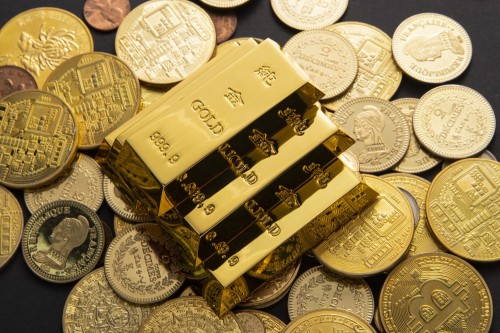
This week saw a decline in gold prices as markets reacted to the uncertainty surrounding the US-Iran negotiations, aiming to resolve the broader Middle East conflict. With bullion trading around $4,450 per ounce, the precious metal was on track for a weekly drop of approximately 2%. The fluctuating signals from both nations have left investors cautious, as US officials have suggested that peace talks are nearing completion, while Iranian representatives have stated that significant progress remains elusive.
The ongoing conflict, now stretching into its fourth month, has disrupted vital energy routes through the Strait of Hormuz, leading to elevated oil prices and renewed global inflation concerns. These inflationary pressures have heightened expectations that central banks will either maintain or increase interest rates, diminishing the appeal of non-yield-bearing assets such as gold. Despite the geopolitical risks, gold has struggled to gain traction, trading within a tight range after experiencing sharp declines earlier in the conflict. The metal’s value remains considerably below levels seen before the conflict, indicating a reduced demand for traditional safe-haven investments.
In addition to gold, other precious metals also experienced declines, while currency markets showed relative stability. This mixed investor positioning underscores the global uncertainty that continues to influence market behavior. Analysts have pointed out that gold’s future trajectory is likely to hinge on whether geopolitical tensions escalate further or if diplomatic efforts succeed in stabilizing energy markets and inflation expectations.
As the situation unfolds, market participants remain watchful for any developments in the US-Iran talks, which could significantly impact the course of not only precious metals but also broader economic conditions. The resolution or prolongation of these negotiations will play a crucial role in shaping investor sentiment and determining the attractiveness of gold and other non-yielding assets.