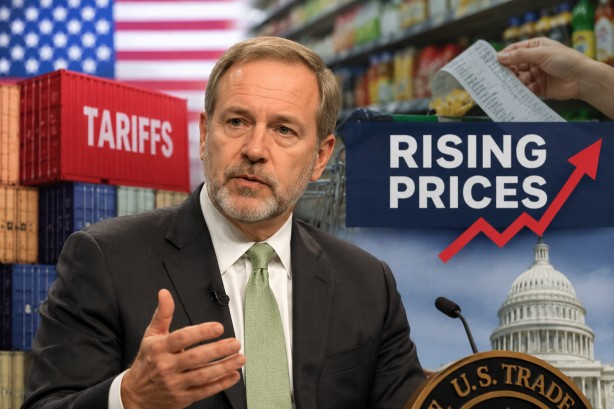
During a recent Senate hearing, U.S. Trade Representative Jamieson Greer staunchly defended the Trump administration’s tariff policies, dismissing assertions that these tariffs have burdened American families with higher costs. Greer contended that core inflation has been moderating and refuted claims linking tariffs to increased consumer prices. This stance, however, was met with skepticism by Democratic lawmakers who argue that tariffs have, in fact, inflated household expenses and fueled inflation.
Senators Elizabeth Warren and Raphael Warnock voiced strong criticism of the administration’s trade approach, asserting that the imposition of higher import duties has led to an escalation in the cost of everyday goods, thereby exacerbating the financial strain on consumers. They questioned why the administration remains unwilling to acknowledge the tariffs’ impact on the cost of living.
The discussion unfolds as the Trump administration readies a new wave of tariffs, following the expiration of its existing trade measures. This move has intensified the debate over the future trajectory of U.S. tariff policy, as lawmakers scrutinize its repercussions on inflation as well as its broader effects on businesses and consumers.
The issue of tariff policy remains a pivotal topic in legislative discussions, with Democrats challenging the administration’s narrative that tariffs have not significantly influenced the financial burden on American households. Despite Greer’s assurances about easing inflation, the contention from opposing lawmakers highlights the deep divide over the true economic impact of these trade measures.