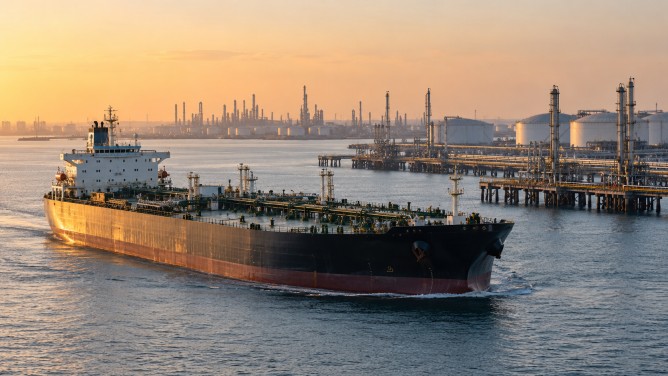
Global oil prices surged to a five-month high on Thursday amid escalating tensions in the Gulf region, prompting concerns over potential disruptions to crude oil supplies. Brent crude, the international benchmark, rose by 3% to hit $112 per barrel, marking its highest level since May 18.
The price increase follows a series of attacks and incidents in the region. Yemen’s Houthi movement launched attacks on Saudi targets on Wednesday, resulting in the death of four individuals and injuries to eight others. The attacks included a civilian airport in Dammam and an oilfield reportedly targeted by a drone.
Additionally, Iran’s Islamic Revolutionary Guard Corps claimed responsibility for striking four vessels in the northern Gulf, citing their involvement in illegal oil transfers. They also reported that three other vessels encountered mines west of the Strait of Hormuz, cautioning that further provocations could lead to a broader response against U.S. regional bases.
The situation has revived concerns over the security of the Strait of Hormuz, a critical energy shipping route. Past disruptions in this area had previously driven oil prices as high as $126 per barrel in April, before falling back amid hopes for a ceasefire. Although oil exports from the Persian Gulf have since recovered, increased pipeline shipments to other locations have only partially mitigated the shipping challenges.
The rising oil prices are also having broader economic impacts, contributing to declines in major European and Asian stock indices. There are fears that higher energy costs could spur inflation and pressure borrowing costs. In the U.S., American Airlines shares dropped after the company warned that heightened fuel expenses might result in a financial loss this year.