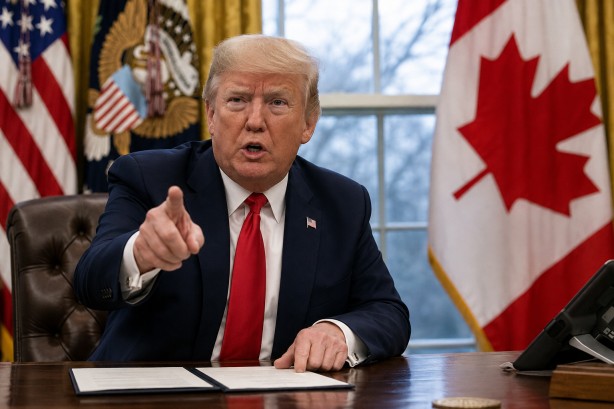
The trade tensions between the United States and Canada have intensified after negotiations faltered, prompting US President Donald Trump to launch a verbal offensive against Canada. In retaliation to the breakdown in talks, the US has imposed hefty tariffs of 50% on about $20 billion worth of Canadian imports, spanning various goods.
Canadian Prime Minister Mark Carney has vowed to retaliate with equivalent tariffs, standing firm against the conditions set by Washington. Carney labeled the situation as a trade war, accusing the United States of economic aggression against Canada. Defending the decision, US Trade Representative Jamieson Greer stated that the tariffs were essential to safeguard American jobs and maintain the integrity of supply chains.
The escalating trade conflict has sparked anxiety among businesses and political leaders on both sides of the border. Canadian business organizations have expressed concern over the potential financial impact on exporters and small enterprises, warning of significant revenue losses. Meanwhile, US legislators from border states have raised alarms about the possible price increases for businesses, farmers, and consumers due to the tariffs.
Canada’s counter-tariffs, set to be implemented on September 8, will target products such as steel, dairy items, appliances, and electronics. This move is part of Canada’s strategy to match the US tariffs and protect its own economic interests.
The deepening dispute has also cast a shadow over the future of the US-Mexico-Canada Agreement, a crucial trade pact that underpins a substantial portion of North American trade. As tensions rise, the uncertainty surrounding this agreement continues to grow, affecting economic stability and trade dynamics across the continent.