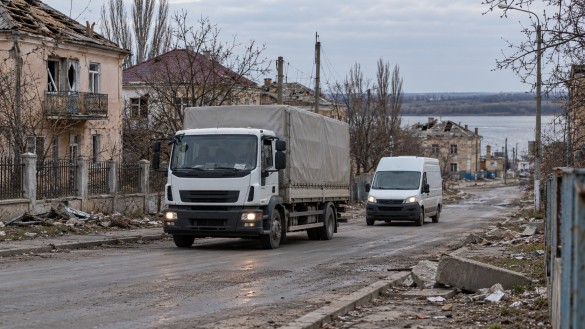
Russia and Ukraine have reached an agreement for a temporary ceasefire in Oleshky, a city in southern Ukraine under Russian occupation, to facilitate the delivery of humanitarian aid and the evacuation of civilians. The ceasefire is set to start on October 27, aiming to halt military operations in the city, according to the White House.
The move comes as a response to the worsening humanitarian crisis in Oleshky, where approximately 2,000 residents face severe shortages of food, clean water, and electricity. Reports indicate that some residents have resorted to eating weeds and boiled grass to survive. The agreement is designed to allow aid organizations to deliver essential supplies and help residents safely leave the area.
Ukrainian officials have been advocating for a humanitarian evacuation from Oleshky and surrounding settlements for weeks. Preparations for the ceasefire include clearing mines from access roads, delivering food and medical supplies, and arranging transportation for those wishing to evacuate. Evacuees are expected to be supported in reaching their preferred destinations in either Russia or Ukraine.
This ceasefire follows persistent calls from international organizations and officials for humanitarian access to the area. However, there are concerns about the full implementation of the agreement and whether aid will reach all residents in need.
Despite the ceasefire in Oleshky, fighting continues in other parts of Ukraine, with further overnight attacks reported from Russian forces. Additionally, discussions are underway for another round of US-brokered peace talks in Abu Dhabi in November, although significant disagreements persist over territorial control and Ukraine’s potential NATO membership.
The situation in Oleshky underscores the ongoing impact of the war on civilians, highlighting the challenges faced by international efforts to secure safe evacuations and establish a broader peace agreement.