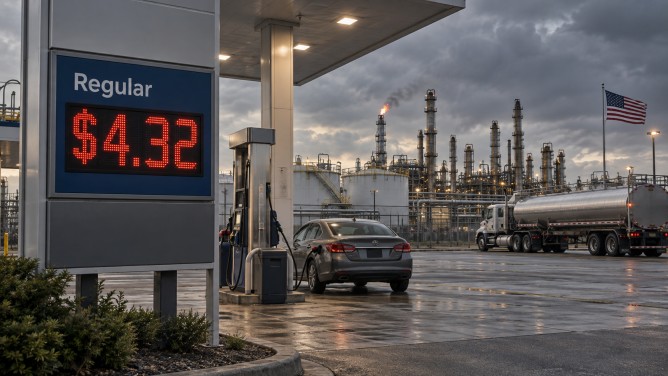
The average price of regular gasoline in the United States has climbed to $4.32 per gallon, reflecting a significant rise amid ongoing global oil supply concerns and geopolitical tensions. This surge marks an increase of nearly 25 cents over the past two weeks, according to the latest data from the US Energy Information Administration.
The current price is notably higher compared to the same period in 2024, when it was approximately $3.18. The escalation in gasoline prices is largely attributed to pressures in the global crude oil market. Heightened conflicts and disruptions involving major oil-producing regions such as the Middle East, Iran, and Ukraine have intensified concerns over oil supplies, pushing energy prices higher.
Diesel prices have also reached unprecedented levels, which is likely to impact transportation and shipping costs. The increase in diesel expenses can subsequently drive up the cost of moving goods, thereby contributing to wider consumer price inflation.
Typically, gasoline prices tend to decrease in the fall as U.S. refiners transition from summer-grade to less expensive winter-grade fuel. However, analysts caution that ongoing geopolitical risks may hinder the expected seasonal decline this year. Additionally, the U.S. Strategic Petroleum Reserve holds less emergency oil than in previous years due to significant withdrawals, potentially limiting the government’s response to any major supply disruptions.
Energy analysts anticipate continued volatility in fuel prices, with developments in the Middle East and the Russia-Ukraine conflict influencing global oil markets. While any seasonal decline in gasoline prices might offer some relief, persistent supply risks could keep prices elevated.