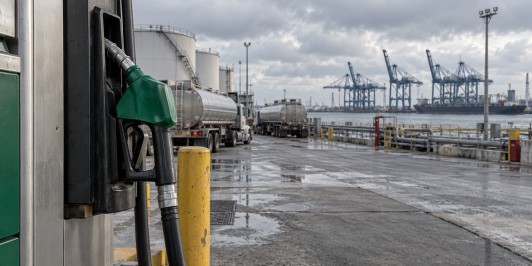
Amid soaring diesel prices in the United States, President Donald Trump has expressed support for restricting or banning diesel exports to alleviate domestic energy costs. Speaking before a meeting with Ukrainian President Volodymyr Zelenskyy, Trump highlighted the country’s substantial diesel production and suggested that keeping more of the fuel within the U.S. could be beneficial.
The proposal comes as the nation grapples with unprecedented diesel prices, which have reached an average of $6.53 per gallon. The surge in prices is attributed to disruptions in global fuel supplies, which are tied to ongoing conflicts in Iran and Ukraine. Treasury Secretary Scott Bessent confirmed that the administration is evaluating the feasibility of implementing a full or partial ban on diesel exports, considering the current refining capabilities of the United States.
Concerns about the impact of Ukrainian strikes on Russian oil refineries were also raised by Trump, as damage to these facilities could further exacerbate the rise in diesel prices. The administration’s deliberations on export restrictions come amid these broader geopolitical tensions contributing to market instability.
However, the proposal to limit diesel exports has faced criticism from the American Fuel and Petrochemical Manufacturers trade group. The organization cautioned that such restrictions might lead U.S. refiners to cut back on production, potentially decreasing the supply of both diesel and gasoline domestically. This scenario could inadvertently counteract the intended relief for U.S. consumers by creating shortages.
As discussions continue, the administration remains focused on assessing the potential consequences of export limitations, striving to balance domestic energy needs with the complexities of international fuel markets. The situation underscores the ongoing challenges the U.S. faces in managing energy costs during a period of significant global instability.